

A warm home library with wooden shelves, a reading chair, a lit lamp and an open journal on a desk

The library · a shelf

Words you can borrow.

Sentences for the moments when you don't know what to say. Say them in your own voice, change every word, or keep one in your pocket for later.

A quiet tree-lined footpath in soft afternoon light

When they go quiet

Quiet isn't always a closed door. Most of the time it means they're low on words, not low on love. These are ways in that ask nothing back.

  • “You don't have to tell me. I just wanted to be in the room.”
  • “I'm around all evening if you want company.”
  • “Nothing's wrong between us. I only wanted you to know I noticed.”
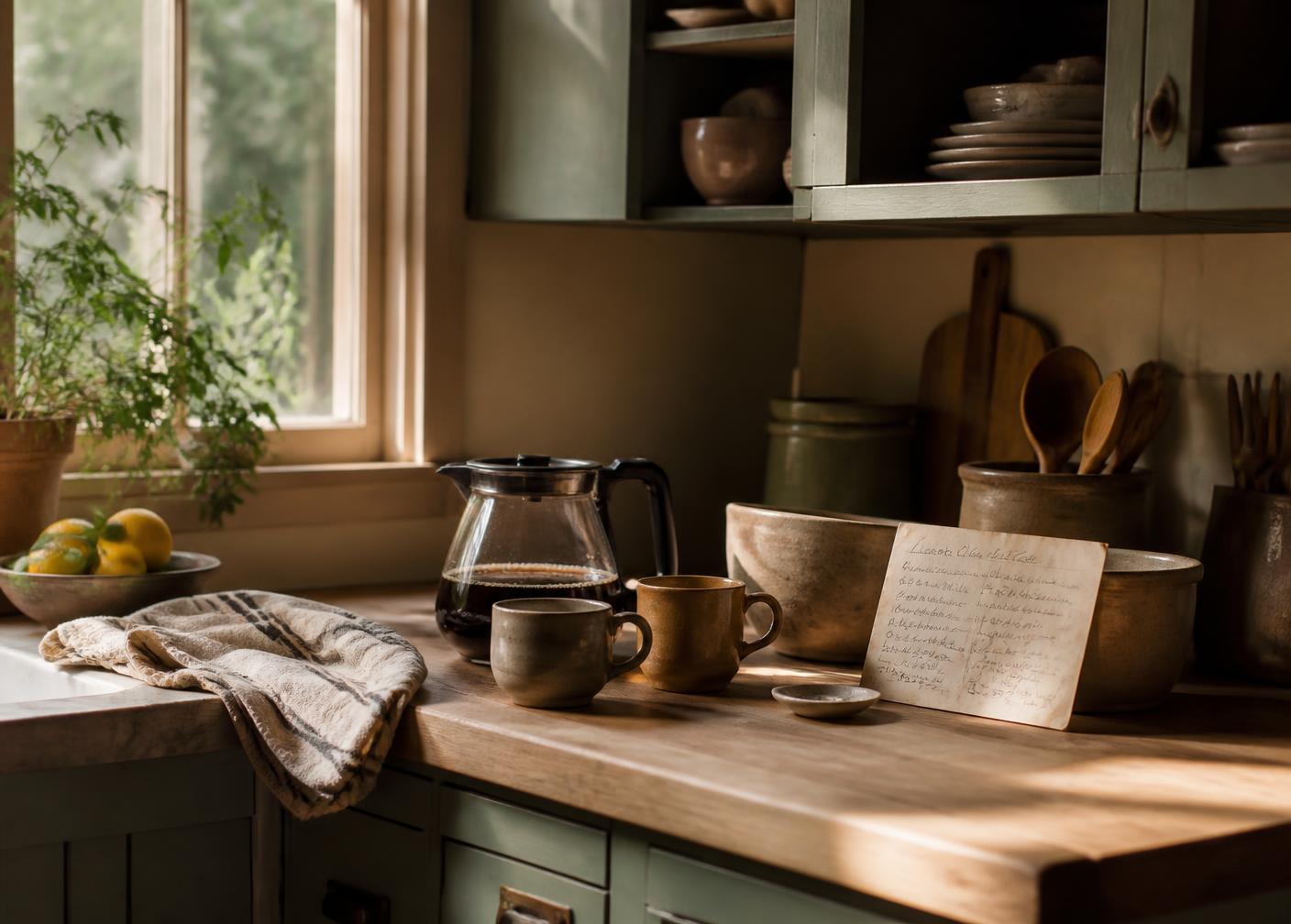
A warm kitchen counter with coffee, two mugs and a handwritten card

When emotions get big

In the middle of a big feeling, nothing you explain will land. These are for staying steady — and for coming back together afterwards.

  • “I'm not going to shout back. I'm still listening.”
  • “You're allowed to be that angry with me. I still love you the same.”
  • “I got that wrong. That was mine, not yours.”
A short handwritten note resting on a wooden kitchen counter beside a mug

When they ask something hard

A hard question is usually a sign of trust. You don't need the right answer — you need an honest one, and a face that doesn't change.

  • “Can I ask you something, and you can tell me it's none of my business?”
  • “I don't know. Let's find out together.”
  • “Whatever it is, I'll stay calm.”

None of these are scripts. They're just proof that a good enough sentence exists, which is usually the thing standing between a parent and the conversation.